


Understanding Lead Risks: How to Recycle Lead-Containing Items Safely
Lead is no longer used as widely as it once was, but it can still be found in many household, commercial and automotive items. Because lead is toxic, it should always be handled carefully and recycled through the correct channels.
Common lead-containing items may include car batteries, sealed lead-acid batteries, old electrical cables, lead flashing, old pipes, wheel weights, fishing weights and some older building materials.
If you have unwanted lead scrap or lead-containing items, responsible recycling is the safest option. It helps protect people, reduces environmental pollution and allows valuable metal to be recovered and reused.
What Is Lead and Why Was It Used?
Lead is a heavy metal that occurs naturally in the Earth’s crust. For centuries, it was widely used because it is soft, malleable, durable and resistant to corrosion. These properties made it useful for pipes, roofing materials, batteries, weights, cables and protective coverings.
However, we now know that lead can be extremely harmful to human health and the environment. Because of this, its use has been restricted or banned in many products, especially where people could be exposed to it directly.
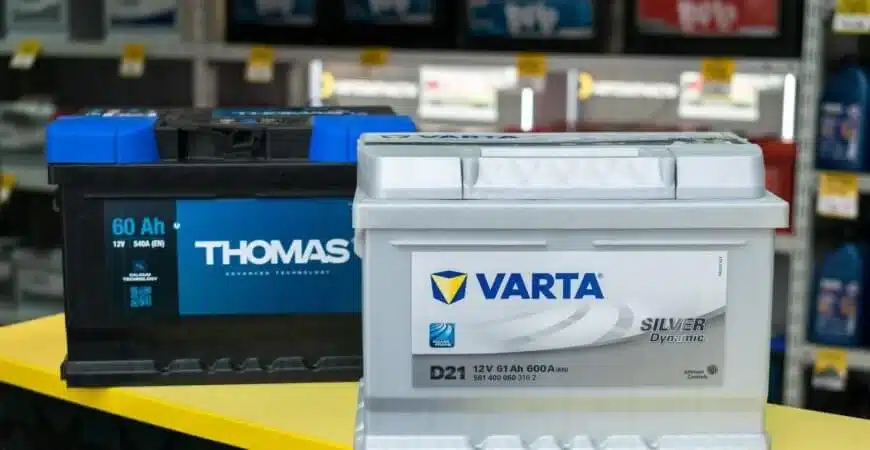
Today, one of the most common uses of lead is in lead-acid batteries, including car batteries, backup power batteries and some industrial battery systems.
Why Is Lead Dangerous?
Lead is dangerous because it can build up in the body over time. Even small amounts of exposure can be harmful, especially for children, pregnant women and people who work around lead regularly.
Lead exposure can affect the nervous system, blood, kidneys and general development. In children, it can cause learning difficulties, behavioural problems and long-term developmental issues. In adults, long-term exposure may contribute to health problems such as high blood pressure, kidney damage and fertility issues.
Lead can also become more dangerous when it is cut, burned, sanded or broken apart, as this may create dust or fumes. For this reason, you should never attempt to dismantle lead-containing items yourself unless you know exactly how to do it safely.
Why Lead Should Not Go to Landfill
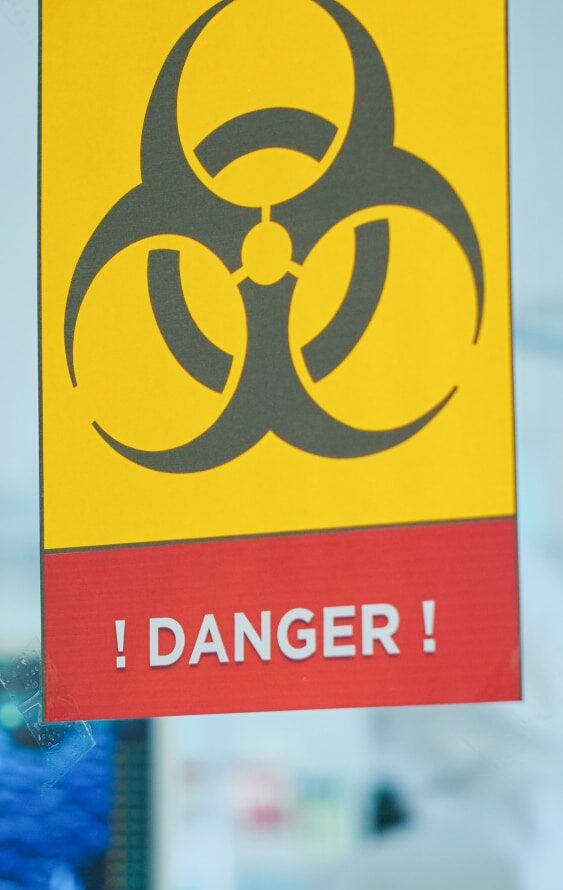
Lead-containing items should not be placed in general waste bins. If lead ends up in landfill, toxic substances can eventually leak into the soil and water. This can harm wildlife, contaminate land and create long-term environmental risks.
That is why lead recycling is not just useful, it is essential.
By recycling lead correctly, we can:
- Reduce toxic waste
- Prevent unnecessary pollution
- Recover valuable metal
- Reduce the need for new mining
- Support safer and more sustainable waste management
Is Lead Recyclable?
Yes, lead is highly recyclable. It can be recovered, processed and reused many times without losing its core properties. This makes lead recycling both environmentally and economically valuable.
Recycled lead is commonly used in new batteries, industrial products and specialist applications. Because lead is still in demand, scrap lead can also have a resale value when collected and processed correctly.
How to Recycle Lead-Containing Items Safely
If you have unwanted lead scrap, old car batteries or other lead-containing items, the safest option is to contact a licensed scrap metal collector or recycling centre.
Before recycling lead, you should:
- Check whether the item contains lead
- Avoid cutting, burning or breaking it apart
- Keep batteries upright and avoid leaks
- Never place lead items in household waste
- Contact a licensed collector for advice
At Premier Scrap Trading Ltd, we provide responsible scrap metal collection in London and can advise you on the safest way to recycle suitable lead-containing items.
Lead Recycling in London
If you are looking for lead recycling in London, Premier Scrap Trading Ltd can help with fast, reliable and responsible scrap metal collection. Whether you have scrap lead, old batteries, cables or other metal waste, we can assess your items and provide an up-to-date valuation where applicable.
Recycling lead correctly protects your property, your health and the environment.
Final Thoughts
Lead is useful, valuable and recyclable, but it must be handled with care. Because it can harm people and the environment, lead-containing items should never be thrown away with general waste.
If you have scrap lead, old batteries or other metal items to recycle, contact us for responsible scrap metal collection in London.
Stay up to date with the latest news by following us on Facebook.
Common Questions About Lead Recycling
Can lead be recycled?
Yes. Lead can be recycled and reused many times. It retains its useful properties after recycling, making it one of the most valuable recyclable metals.
Can lead be reused?
Yes. Recycled lead can be reused in batteries, industrial materials and specialist products. Reusing lead is often more sustainable than mining and processing new material.
Where can I recycle lead?
You can usually recycle lead at licensed scrap yards, recycling centres or through licensed scrap metal collection services. Always check first, especially if the item is a battery or could be classed as hazardous waste.
Can car batteries be recycled?
Yes. Car batteries are one of the most common lead-containing items. They should never be placed in household waste. They should be taken to an approved recycling point or collected by a licensed waste or scrap metal service.
Is lead worth money as scrap?
Lead can have scrap value, depending on the type, weight, condition and current market prices. Scrap metal prices change regularly, so it is best to contact a licensed collector for an up-to-date valuation.